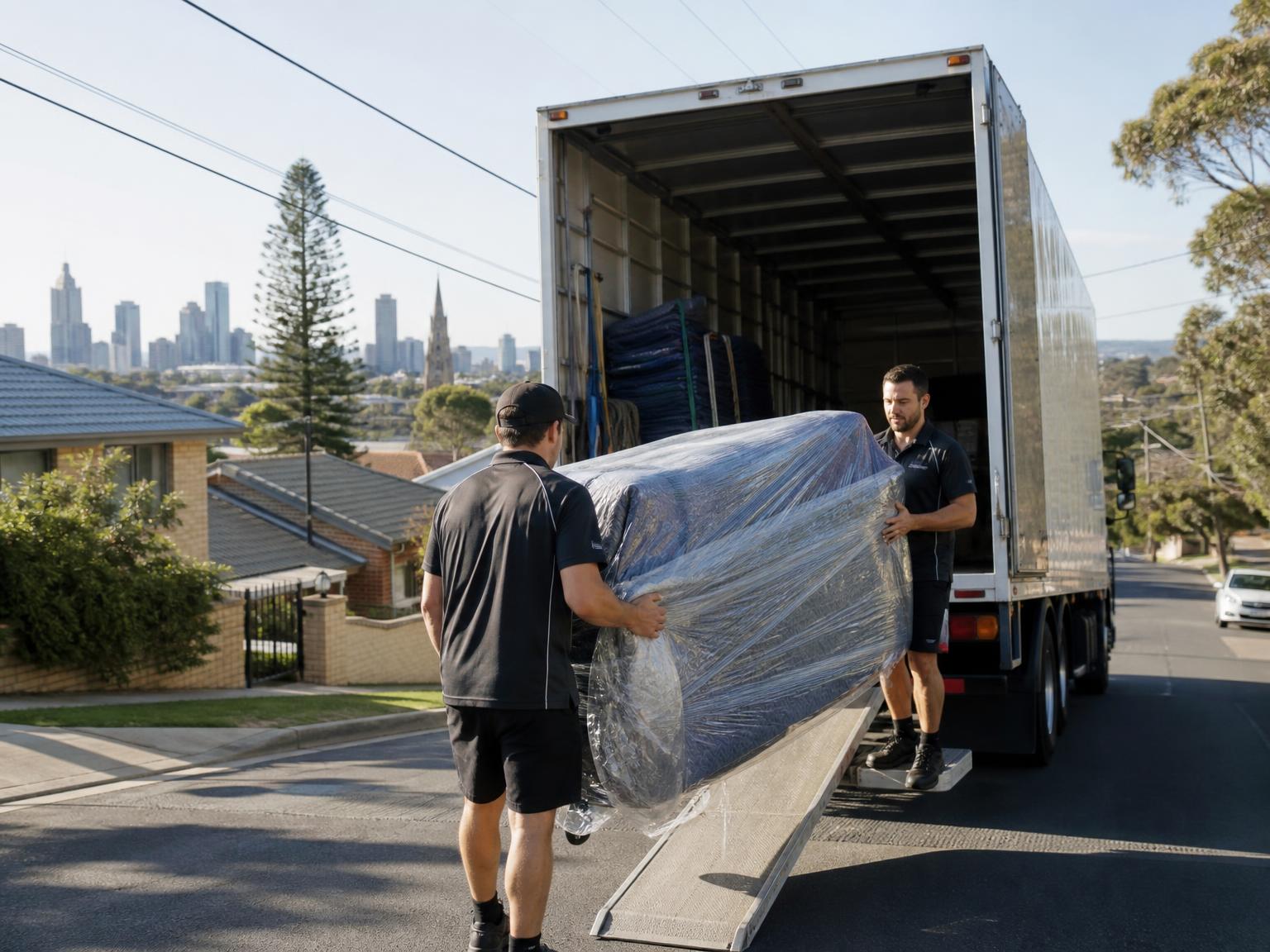
Moving in Clapham calls for more planning than a straightforward inner-city pickup. The suburb sits against Adelaide’s foothills, where sloping blocks, elevated driveways and established detached homes can create long carries or awkward truck access. Around Belair Road, Springbank Road and Barretts Road, we assess parking, driveway gradients, stairs and turning space before deciding how to stage furniture. Best Removalists Adelaide provides movers for Clapham households relocating nearby or heading into Unley, Kent Town, North Adelaide and the Adelaide CBD.
Clapham moves also need to account for Adelaide’s Mediterranean conditions. Hot, dry summer weather makes early loading sensible, particularly on exposed driveways, while cool, wet winter days can leave steep paths and tiled entries slippery. We protect furniture during the carry and plan loading so items are not left outside unnecessarily. For City of Adelaide destinations near South Terrace, Rundle Mall, the South Australian Museum, Botanic Garden or Adelaide Oval, access and unloading arrangements should be checked ahead of time. Our base is at 15 Davenport Tce, Wayville, with hours Monday to Sunday, 7am–9pm.
Around Clapham
We regularly work near:
- 📍Clapham Primary School
- 📍Clapham Reserve
- 📍Belair Road
- 📍Springbank Road
- 📍Barretts Road
- 📍Clapham Road
Removalists in Clapham — Local Notes
- •Clapham’s foothill setting means some homes have sloping driveways, stepped entries or garages below the main living level. These features affect crew positioning, carry distances and the safest order for moving heavy furniture.
- •Established detached houses often contain large dining tables, wardrobes and outdoor furniture that may not pass easily through older doorways or narrow side access. Measuring bulky pieces before moving day can prevent delays.
- •Belair Road and Springbank Road can influence truck approach and parking plans. A driveway inspection or clear access notes are useful where turning space is limited or street-to-door carries are long.
- •Summer heat favours earlier loading, while winter rain can make gradients, paths and polished entrances slick. Keeping access routes clear and dry helps protect both furniture and floors.