2026-09-20 · Daniel Mercer
How To Move Safely During An Adelaide Heatwave
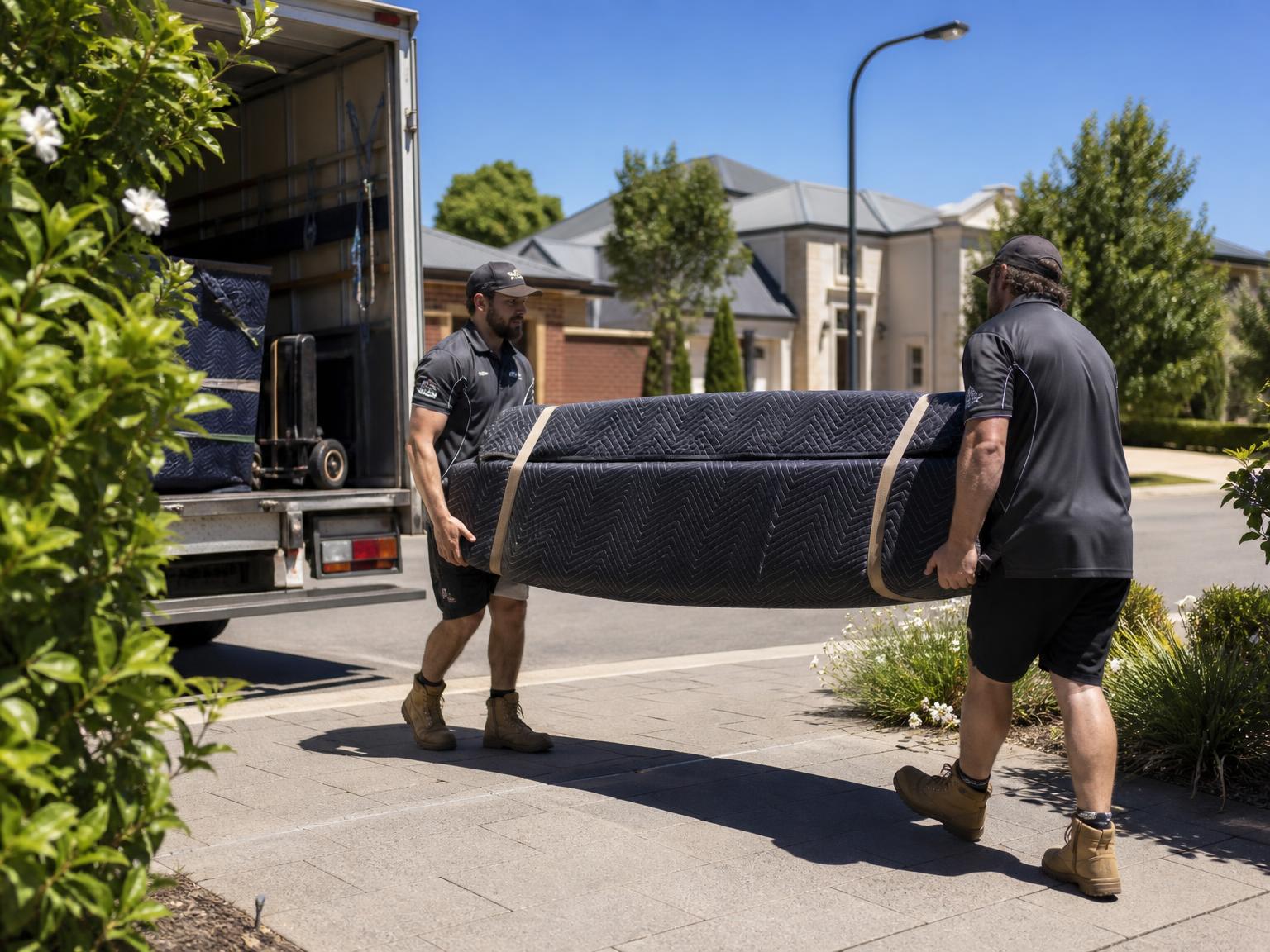
# How To Move Safely During An Adelaide Heatwave
The safest way to move during an Adelaide heatwave is to start at 7am or earlier where possible, complete the heaviest lifting before midday, schedule regular drink breaks and keep the carrying route short. Do not leave children, pets, plants, medicines, electronics or pressurised containers in a parked vehicle, even briefly. Adelaide’s Mediterranean climate brings hot, dry summers, and direct sun on a driveway, footpath or truck body can make working conditions considerably harsher than the reported air temperature. Check the Bureau of Meteorology forecast and heatwave warnings the evening before and again on moving morning. If extreme conditions make the work unsafe, delaying the non-essential portion of the move is better than trying to recover lost time by rushing.
Plan The Move Around Heat And Access
Book the earliest practical arrival and have packing finished before the removalists arrive. Best Removalists Adelaide operates Mon–Sun, 7am–9pm, so an early booking can place loading in the cooler part of the day. A written room-by-room plan also prevents people standing in the sun while deciding where furniture belongs.
Access matters across the City of Adelaide. Adelaide CBD apartments may require a booked lift, loading-bay access and a defined route through shared corridors. Around North Adelaide, older houses can have narrow halls, steps and limited off-street loading, while properties near South Terrace may involve apartment entries or restricted kerb access. Confirm these details before moving day:
- Lift booking and building access times
- Legal truck parking or loading arrangements
- Stair count and narrow doorways
- The shortest shaded route between the property and truck
- Whether large furniture needs dismantling
Use a detailed moving house planning checklist to resolve access issues before the hottest part of the day.
Protect Everyone Doing The Lifting
Set up cold drinking water in both properties, not buried in the moving load. Take short, frequent breaks in shade or air conditioning rather than waiting until somebody feels unwell. Lightweight clothing, enclosed non-slip footwear, sunscreen and a broad-brimmed hat are sensible for outdoor loading, but gloves should still provide a secure grip when hands become sweaty.
Watch for headache, dizziness, nausea, unusual fatigue, heavy sweating, confusion or poor coordination. Stop work immediately if symptoms develop, move the person somewhere cool and seek medical help when symptoms are severe, worsening or include confusion or collapse. No timetable is worth carrying a wardrobe down stairs when the carrier is unsteady.
Keep the walking path clear of hoses, packing straps and loose cardboard. Heat encourages people to hurry, while glare can hide changes in paving level. Assign heavy or awkward pieces to suitably equipped heavy item removalists rather than asking friends to improvise with unsuitable straps or footwear.
Prepare Both Properties Before The Truck Arrives
Cool the departure and destination properties before loading begins. Close blinds on sun-facing windows, run air conditioning where available and keep internal doors open along the carrying route. At the destination, nominate 1 cool room for pets, medicines, plants and delicate items so they do not become mixed into the main unloading flow.
Create a staging area close to the exit, but do not stack cartons where they obstruct airflow or emergency access. In Adelaide CBD and near Rundle Mall, long carries from upper-floor apartments or distant loading areas can substantially increase heat exposure. The same applies when event traffic around Adelaide Oval or busy visitor periods near the South Australian Museum and Botanic Garden affect vehicle access. Check road conditions and planned events rather than assuming the most direct route will remain available.
If packing is not complete, packing and unpacking services can reduce the amount of strenuous work left for moving morning. Our base at 15 Davenport Tce, Wayville SA 5034 is also well positioned for planning moves involving nearby Unley, Kent Town and North Adelaide.
Keep Heat-Sensitive Belongings Out Of The Hot Load
A closed moving truck is not climate-controlled storage. Load heat-sensitive possessions last when practical so they can be unloaded first, and carry irreplaceable items separately in an air-conditioned vehicle. Before deciding what belongs in the truck, review what not to pack when moving house.
Give particular attention to:
- Medicines: Follow the storage directions on their labels and use an appropriate insulated container when required.
- Electronics: Shut devices down fully, back up important data and avoid sealing warm equipment in plastic where condensation could form later.
- Candles, cosmetics and adhesives: Place them in leak-resistant containers and keep them out of direct heat.
- Plants: Water appropriately before the move, provide ventilation and avoid leaving foliage against hot metal walls.
- Musical instruments and antiques: Minimise rapid temperature changes and direct sunlight.
Vinyl records should travel upright rather than lying flat under other cartons. Photographs, artwork and timber furniture also benefit from breathable wrapping and prompt unloading; plastic left against a hot finished surface can trap moisture or transfer marks.
Load Efficiently Without Cutting Safety Corners
Use a clear loading order: large stable furniture first, cartons next and immediate-use or heat-sensitive items last. Dismantle beds and tables indoors rather than on an exposed driveway. Moving blankets protect surfaces from hot metal inside the truck, while straps prevent loads shifting during turns or sudden braking.
Do not overfill cartons. A box that was manageable indoors may become unsafe after repeated carries in hot conditions. Keep each person’s route short, rotate demanding tasks and use trolleys on suitable level surfaces. Adelaide’s central plain is generally easier than steep terrain, but kerbs, verandah steps, uneven paving and apartment ramps still affect trolley control. In cool, wet winter weather those surfaces can become slippery; during summer, radiant heat and glare are the bigger hazards.
Large appliances require planning rather than brute force. Empty, clean and dry refrigerators before transport, secure doors according to the manufacturer’s instructions and follow the appliance manual for settling and reconnection. Use large appliance removalists when weight, stairs or restricted access make manual handling unsafe.
Finish With A Cool-Down And Essentials Check
At the destination, unload beds, drinking water, toiletries, medications and cooling equipment before decorative items. Check that electricity and air conditioning are operating, then assemble only what is needed for the first night. Flattened cardboard should be kept away from heaters, cooking areas and external paths, where wind can scatter it across a driveway or footpath.
Before the truck leaves, inspect the vehicle, driveway, lift and both property entries for straps, tools and small items. Confirm that pets are secure and that nobody has left medicines, food, plants or electronics inside a vehicle. Drink water, cool down and postpone non-essential unpacking if the house remains hot.
A heatwave move succeeds through preparation, not speed. An early start, confirmed access, short carrying routes and a deliberate loading order reduce time spent in direct sun from Wayville and Unley to Kent Town, North Adelaide and the Adelaide CBD. If conditions deteriorate, pause the work and reassess rather than pushing through warning signs.