2026-09-20 · Daniel Mercer
Moving House With Pets In Adelaide
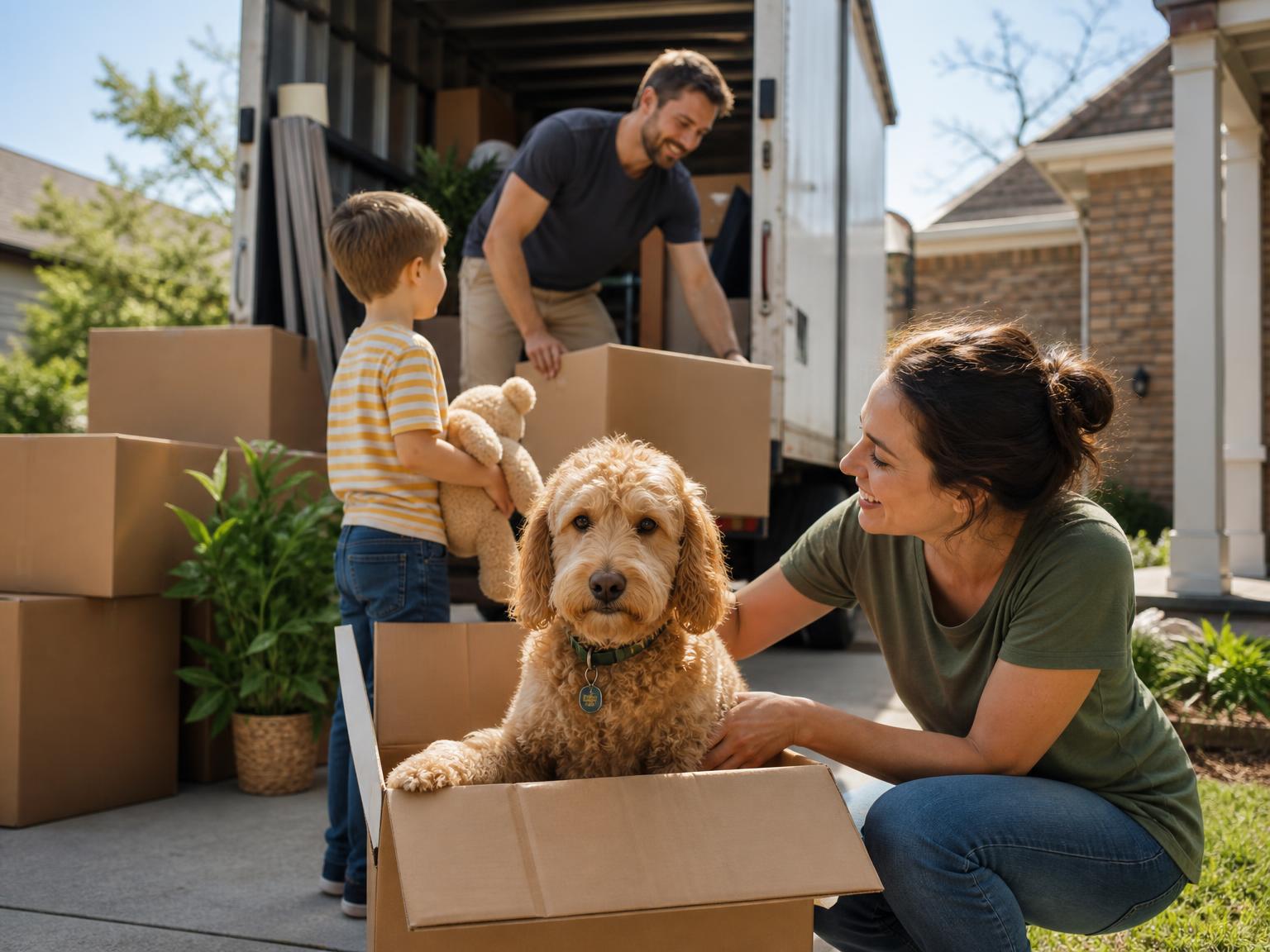
# Moving House With Pets In Adelaide
The safest way to move house with pets in Adelaide is to prepare their travel kit in advance, keep them in a closed and quiet room while the movers work, and transport them separately in a secure carrier or vehicle restraint. Allow at least 2–4 weeks for practical preparation where possible, including updating identification details, checking the new property and helping pets become comfortable with carriers. On moving day, never leave an animal loose near an open front door, loading ramp or removal truck.
Prepare Your Pet Before Packing Takes Over
Pets notice disruption well before moving day. Boxes, dismantled furniture and changing routines can cause hiding, barking, pacing or attempts to escape. Start packing less-used rooms first and preserve the animal’s normal feeding, exercise and sleeping schedule for as long as possible. If there is too much to complete close to the move, packing and unpacking services can reduce the period during which the home remains unsettled.
Create a clearly labelled pet bag that stays with you rather than entering the truck. It should contain:
- Food and water for the journey plus the first 24–48 hours
- Bowls, leads, waste bags and litter supplies
- A familiar bed, blanket or unwashed item carrying the scent of home
- Medication and written dosage instructions
- A secure carrier or correctly fitted vehicle restraint
- Identification, veterinary details and a recent photograph
Check that microchip and tag contact details reflect a number you can answer during the move. If your pet is elderly, highly anxious or receiving medication, discuss the move with its usual veterinarian rather than trying an unfamiliar calming product on moving day.
Plan For Adelaide Homes, Access And Weather
Moving conditions vary considerably across the City of Adelaide. North Adelaide has older cottages and terrace-style homes where narrow side access, gates and front doors can remain open during loading. Adelaide CBD apartments may involve lifts, shared corridors, loading zones and repeated trips through secure entrances. Around South Terrace, traffic, limited stopping space and access through the parklands edge can also make loading less predictable than moving from a property with a private driveway.
Adelaide’s Mediterranean climate creates 2 different risks. During hot, dry summer weather, schedule pet travel away from the hottest part of the day, cool the vehicle before loading and never leave an animal waiting in a parked car. In cool, wet winter conditions, dry carriers and paws promptly, and keep bedding protected from rain while doors are open.
Traffic and events can affect routes near Adelaide Oval, Rundle Mall, the South Australian Museum and Botanic Garden. Check the route shortly before departure, especially when travelling between North Adelaide, Kent Town, Unley and the CBD. A shorter journey with fewer stops is generally less stressful than sightseeing or running errands with a pet aboard.
Keep Pets Separate From The Removal Work
The most reliable moving-day arrangement is for the pet to stay with a trusted person, at a suitable boarding facility, or in one secured room that has already been emptied. Place a clear “Pet Inside—Keep Door Closed” note on the door and tell every person on site. The room should contain water, bedding and appropriate toileting supplies, but avoid leaving toys or bowls where someone carrying furniture could trip.
Professional house removalists handle furniture and household contents; owners should retain direct responsibility for animal supervision and transport. Do not place a pet in the removal truck, even for a short trip. Trucks are designed for goods, not animal passengers, and loading spaces may become hot, noisy and unsafe.
Use this order on the day:
- Feed only according to the pet’s normal routine or veterinary advice.
- Secure the pet before the first external door is held open.
- Load furniture while one nominated person remains responsible for the animal.
- Prepare a closed room at the destination before the pet arrives.
- Transport the pet in a carrier or approved restraint after the busiest loading work is complete.
For apartment moves, confirm lift and access arrangements beforehand so the pet is not left waiting in a noisy foyer while furniture is unloaded.
Set Up A Safe Room At The New Home
Before releasing a pet, inspect the destination for open windows, damaged flyscreens, gaps beneath gates and accessible hazards left by previous occupants. Adelaide homes range from compact CBD apartments to older houses around North Adelaide and detached properties toward Unley, so the escape points will differ. In apartments, check balconies and shared corridors; in cottages, inspect side passages, sheds and fences before allowing outdoor access.
Set up 1 quiet room with familiar bedding, food, water and toileting supplies. Introduce the rest of the property gradually once doors are closed and the removal activity has finished. Cats in particular should remain indoors while they learn the new home’s smells and routines; ask your veterinarian for advice suited to the individual animal before allowing outdoor access. Dogs should initially explore on lead, including the garden, because unfamiliar gates and neighbouring animals can prompt sudden attempts to run.
Unpack the pet’s area before decorative or rarely used items. The room-by-room unpacking plan provides a practical order for restoring essential spaces without turning the entire home into another round of disruption.
Restore Routine And Watch For Stress
Most pets benefit from predictable meals, walks, sleep and attention immediately after a move. Keep food unchanged unless a veterinarian has recommended otherwise, and place bowls and bedding in consistent positions. Familiar walking routes can be introduced gradually, particularly around busy destinations near Rundle Mall or the Botanic Garden where crowds, bicycles and traffic may overwhelm an unsettled dog.
Monitor appetite, drinking, toileting and behaviour. Mild hiding or caution can occur after a change, but persistent refusal to eat, repeated vomiting, breathing difficulty, collapse, inability to urinate or severe distress requires prompt veterinary advice. Do not assume every symptom is caused by moving stress.
Finish unpacking steadily rather than moving boxes between rooms for weeks. If excess belongings prevent you from creating a calm pet area, decluttering before moving house can simplify both loading and setup. Best Removalists Adelaide is based at 15 Davenport Tce, Wayville SA 5034 and operates Mon–Sun, 7am–9pm. When arranging movers, explain the property access and pet plan upfront so everyone knows which room must remain closed and who is responsible for the animal throughout the move.