2026-09-20 · Daniel Mercer
How To Prepare Furniture For Removalists In Adelaide
# How To Prepare Furniture For Removalists In Adelaide
Prepare furniture by emptying it completely, cleaning and drying it, removing loose components, dismantling bulky pieces where appropriate, and protecting vulnerable surfaces before removalists arrive. Complete the main preparation at least 1 day before the move, but leave final wrapping to the movers if they have agreed to supply blankets or specialist protection. Measure furniture, doorways, lifts and stair turns in advance; a cabinet that fits through the front door may still fail at a narrow hallway corner. Adelaide’s hot, dry summers and cool, wet winters also matter: heat can soften adhesives and affect polished surfaces, while rain makes entrances slippery and demands waterproof coverage between the building and truck.
Empty, Clean And Inspect Every Piece
Remove everything from wardrobes, drawers, desks, sideboards and entertainment units unless the removalists have specifically agreed otherwise. Loaded furniture is heavier, harder to control and more likely to rack or twist while being carried. Loose contents can also strike drawer bottoms and internal shelves in transit.
- Pack drawer contents into sealed, labelled cartons.
- Remove adjustable shelves and wrap them together.
- Take glass shelves out rather than leaving them inside cabinets.
- Check underneath furniture for stored items, loose feet or protruding screws.
- Photograph existing scratches, chips and the arrangement of complex pieces.
Vacuum upholstered furniture and wipe hard surfaces with a suitable cleaner, then allow everything to dry fully. Do not wrap damp timber or fabric in plastic because trapped moisture can mark finishes or create odours. This is particularly important during Adelaide’s cool, wet winter weather. If packing a full household feels unmanageable, Packing and Unpacking Services can be arranged separately from the physical move.
Dismantle Only What Needs To Come Apart
Dismantle bed frames, large dining tables, modular sofas and oversized shelving when doing so will create a safer route through the property. Older cottages and terrace-style homes in North Adelaide and around South Terrace can have tighter internal turns than their front rooms suggest. Apartments in Adelaide CBD may add lift doors, corridors and loading access to the route, so measurements should cover the complete journey rather than just the room doorway.
Use the correct tool and take photographs before removing hardware. Put bolts, washers and brackets into a strong labelled bag, then tape the bag to a wrapped component or place all hardware in a clearly marked essentials carton. Never tape hardware directly to polished timber, veneer or leather.
Do not dismantle furniture if the construction is unclear or the joints appear fragile. Flat-pack furniture can weaken after repeated assembly, and forcing swollen or worn fittings may cause more damage than moving the piece intact. Discuss unusual pieces with Furniture Removalists before move day so the crew can plan tools, protection and handling.
Protect Surfaces, Corners And Moving Parts
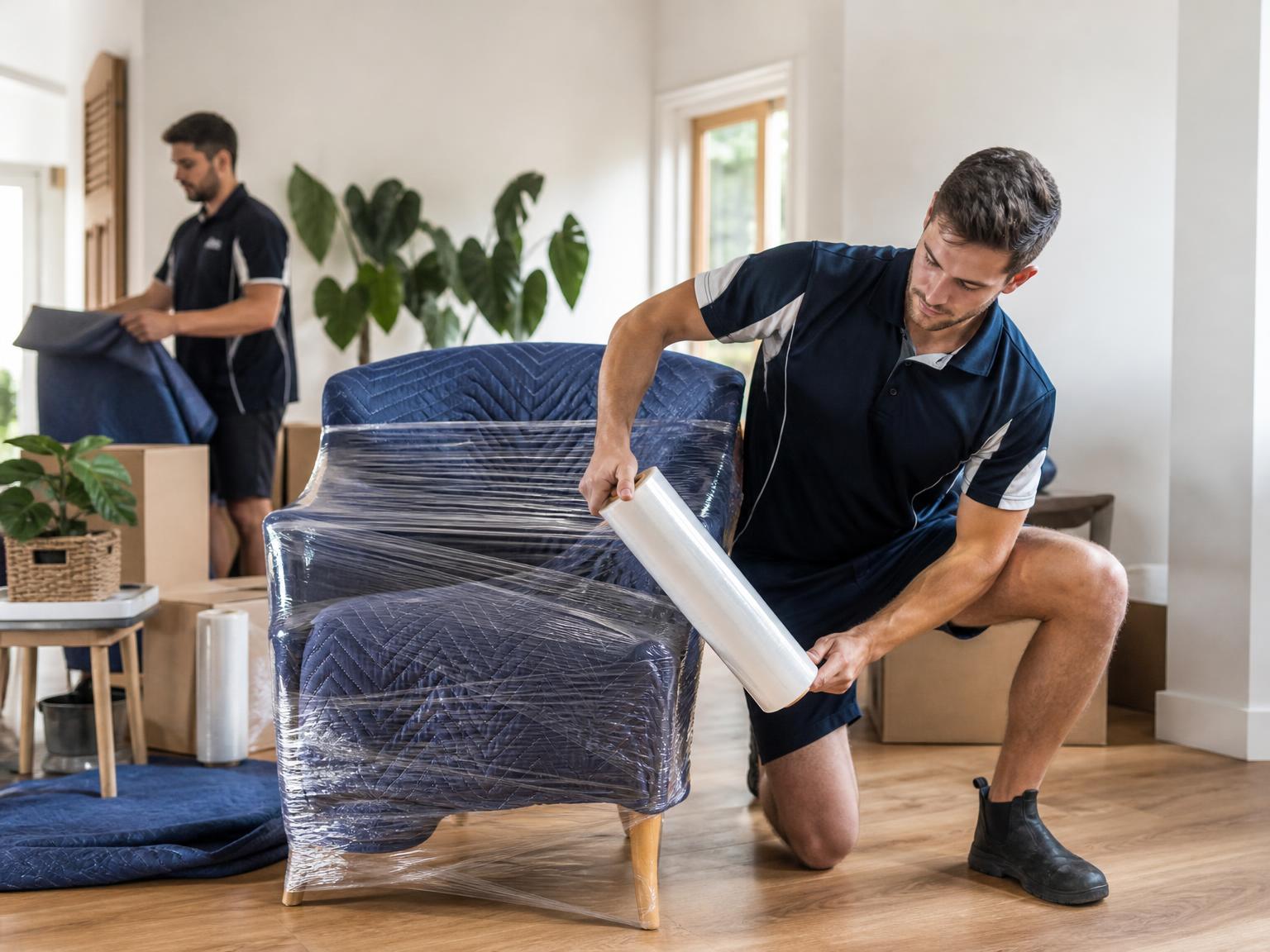
Use moving blankets for timber, veneer, lacquered and painted furniture, securing them without placing adhesive against the finish. Apply corner protectors to tables, desks and cabinets, then add stretch wrap around the blanket rather than directly around delicate surfaces. Bubble wrap is useful for removable glass, mirrors and decorative elements, but it should not sit against some polished finishes for extended periods in summer heat.
Close drawers and doors, but do not rely on their latches while carrying. Movers can secure them with wrap or suitable straps once the surface is protected. Remove castors, finials and detachable legs where practical, and label each component by room and item.
Upholstered furniture needs breathable protection against dust, followed by weather-resistant coverage for the trip between the doorway and truck. Around the Adelaide Oval, Rundle Mall, the South Australian Museum and Botanic Garden, city activity can affect how directly a truck can approach a building. Shorter parking access means furniture may spend longer outside, making complete coverage more important. For transit protection beyond the wrapping stage, see the guide to protecting belongings on Adelaide’s rough roads.
Measure The Route And Prepare Access
Measure each large item at its widest, tallest and deepest points, including arms, handles and fixed feet. Then measure the narrowest doorway, corridor, stair turn, lift opening and gate along the route. Allow extra space for hands and protective blankets; matching measurements on paper do not guarantee that an item can be safely rotated around a corner.
In the City of Adelaide, access conditions vary between North Adelaide residences, Adelaide CBD buildings and properties near South Terrace. Confirm building procedures, lift access and the lawful loading location before the movers arrive. Do not assume a laneway, driveway or entrance will be available simply because it was clear during an earlier inspection.
Clear shoes, pot plants, rugs, bicycles and cartons from the carrying path. Secure pets in a closed room and keep children away from loading areas. In Unley, Kent Town and North Adelaide, check both ends of the move because the destination route may be tighter than the collection address. If stairs, lifts or shared entrances are involved, Apartment Removalists can help plan handling around those constraints.
Prepare For Adelaide Heat And Winter Rain
During a hot, dry Adelaide summer, arrange furniture preparation in the cooler part of the day where possible. Keep leather, timber and electronics out of direct sun while they wait to load, and avoid leaving wrapped furniture against hot exterior surfaces. Adhesive tape can soften in heat, so use proper wrap and straps rather than adding more tape to compensate.
In the cool, wet winter period, place absorbent mats at entrances and keep replacement towels available for wet footwear or trolley wheels. Cover furniture before it crosses an exposed path, not after it reaches the truck. Cardboard alone is not reliable rain protection, particularly for upholstered pieces or fibreboard furniture.
Check the forecast close to moving day, but prepare for conditions to change. The timing of the move can affect heat exposure, wet access and how long items remain staged outside; the guide to the best time of year to move house in Adelaide explains those seasonal trade-offs. Never block an emergency exit or create a slippery shared corridor while trying to protect furniture.
Complete A Final Furniture Check
Walk through each room before the removalists arrive and confirm that every item is ready, identifiable and accessible. Use labels that show the destination room and any handling warning, such as glass, keep upright or do not stack. Labels should describe a real requirement rather than appearing on every piece, or important warnings become easy to miss.
Keep keys, remotes, shelf pins, assembly tools and the master hardware box with you rather than burying them in the truck. Point out fragile joints, loose legs, existing damage and any item that must remain assembled. Tell the crew which furniture is not moving so it is not loaded by mistake.
Best Removalists Adelaide is based at 15 Davenport Tce, Wayville SA 5034 and operates Mon–Sun, 7am–9pm. Before moving day, confirm who is supplying blankets, wrap and dismantling tools, as well as which preparation tasks remain your responsibility. A clear handover gives movers the information needed to protect the furniture and choose a safe route without making rushed decisions at the doorway.