2026-09-20 · Daniel Mercer
Moving In Adelaide Winter: How To Protect Furniture From Rain
# Moving In Adelaide Winter: How To Protect Furniture From Rain
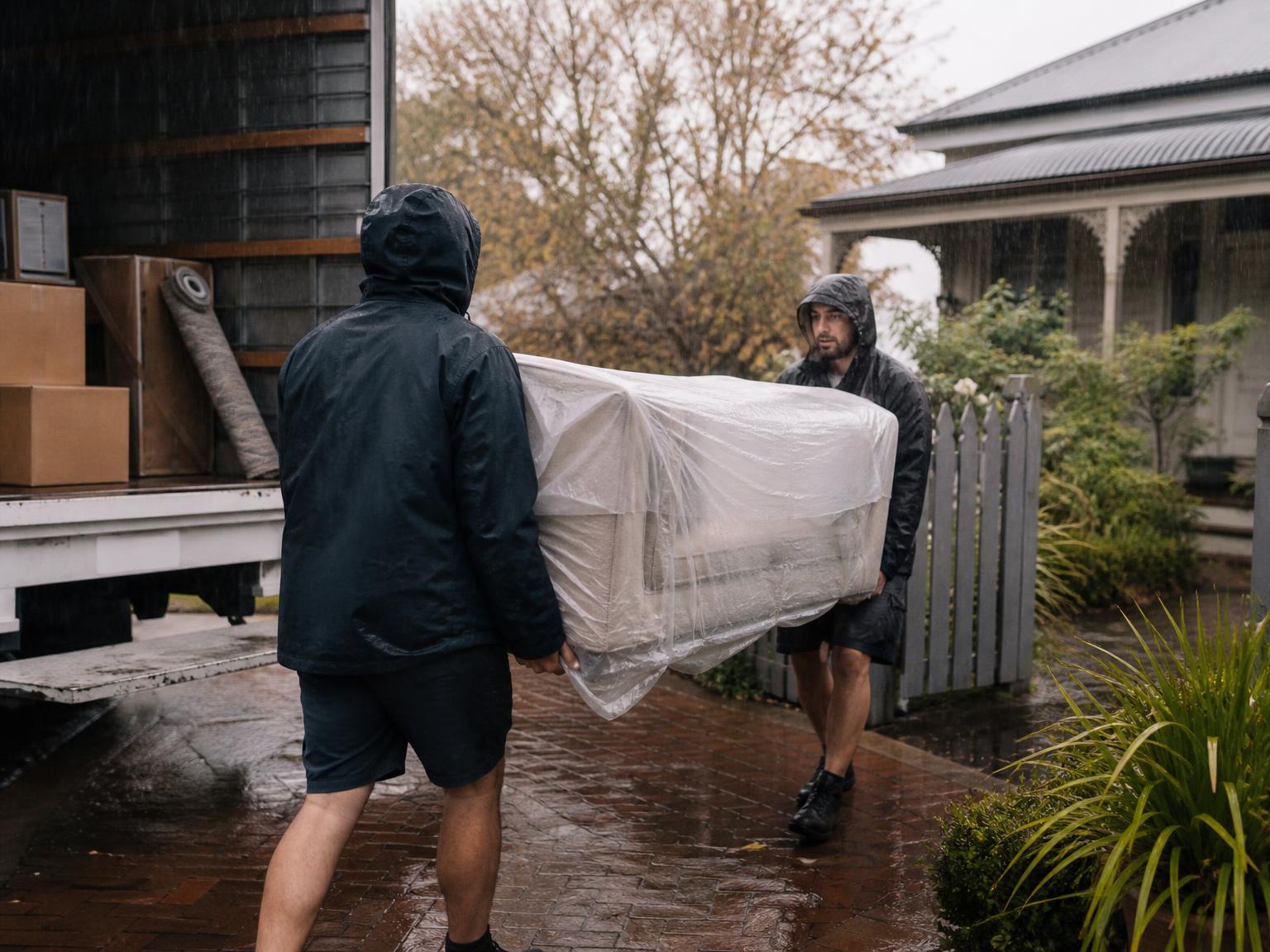
The safest way to protect furniture during an Adelaide winter move is to keep it indoors until the truck is ready, wrap vulnerable surfaces in clean moving blankets plus an outer waterproof layer, and minimise the distance between the doorway and truck. Plastic alone is not enough: condensation can become trapped against timber or upholstery, while exposed blankets quickly absorb rain. Adelaide has a Mediterranean climate, so winter brings cooler, wetter conditions than the hot, dry summer moving season. A sound wet-weather plan therefore covers the furniture, the walking route and the loading sequence rather than relying on a clear patch between showers.
Use The Right Protection For Each Material
Different materials fail in different ways when exposed to rain. For upholstered sofas and mattresses, use a fitted furniture or mattress bag, close it securely, and check that no seam or corner is open before it leaves the house. Keep fabric off wet paving because moisture can soak through at pressure points even when the rest of the item looks covered.
For timber furniture, place soft, dry moving blankets against the surface first, then add stretch wrap or a waterproof furniture cover outside them. This helps prevent rain marks while keeping plastic away from polished finishes. Do not apply packing tape directly to timber, leather or painted surfaces.
Prioritise protection for:
- Upholstery, mattresses and fabric bedheads
- Timber tops, veneers and unsealed edges
- Leather, which can mark when moisture dries unevenly
- Particleboard and MDF, especially around exposed corners
- Antiques or delicate finishes requiring purpose-made wrapping
For more detailed preparation before moving day, use this furniture preparation checklist for Adelaide moves.
Prepare The Access Route Before Loading
Rain protection starts before furniture reaches the doorway. In North Adelaide, older cottages and terrace-style homes can involve narrow side access, front steps and limited covered staging space. In the Adelaide CBD, apartment lifts, loading areas and longer paths from a building entrance can leave furniture exposed for longer. Movers should inspect the full route and remove pots, loose mats, hoses and anything else that becomes a trip hazard when wet.
Lay non-slip protection inside the entrance rather than using ordinary plastic sheeting, which can slide underfoot. Keep a dry towel station near the door for wiping trolley wheels and furniture covers before they cross finished floors. Where possible, position the truck so its loading opening faces away from wind-driven rain and leaves the shortest safe carry.
Moves near busy destinations such as Rundle Mall, Adelaide Oval, the South Australian Museum or the Botanic Garden also require realistic vehicle-access planning. A short carry planned properly is safer than rushing furniture across wet paving after discovering the truck cannot stop near the entrance.
Stage And Load Furniture In A Dry Sequence
A winter move works best when every item is fully prepared before the truck doors open. Disassemble suitable bed frames and tables indoors, bag the hardware, protect the components, and stage them near the exit without blocking the walking route. Packing and Unpacking Services can be useful when there is not enough indoor space or time to complete this work before loading.
Use this sequence when showers are likely:
- Protect floors and clear the route.
- Wrap furniture completely inside the property.
- Bring the truck as close as access rules safely allow.
- Load large wrapped pieces first during the driest available window.
- Close the truck between loading groups rather than leaving it open.
- Wipe wet outer covers before taking furniture into the destination.
Avoid staging furniture beneath an open veranda edge where runoff can fall directly onto it. Around South Terrace and other exposed streets in the City of Adelaide, wind can push rain sideways beyond shallow cover. A piece should move directly from the dry building to the truck, not wait outside while other items are rearranged.
Prevent Moisture Damage Inside The Truck
A waterproof truck body does not automatically guarantee dry furniture. Wet trolley wheels, soaked blankets and covers dripping onto the floor can introduce moisture during loading. Check the cargo area before starting, keep dry protection separate from used wet materials, and never place an upholstered item directly against a damp truck wall or floor.
Arrange furniture so water from a wet outer cover cannot run onto cartons, mattresses or unfinished timber. Mattresses should remain fully bagged and secured upright only when the loading arrangement supports them safely without bending. Timber components need stable padding so vibration does not rub damp covers across their finish.
The same principles apply whether experienced Furniture Removalists are handling a full household or movers are transporting a small group of pieces. For apartment moves, lift bookings and loading access should be confirmed beforehand; a delayed lift can leave wrapped furniture sitting near an open lobby while rain is tracked inside. Keep absorbent cloths accessible rather than packed at the back of the truck.
Handle Wet Furniture Correctly At The Destination
Inspect each item as it comes off the truck. If the outer plastic or cover is wet, wipe it down before crossing the threshold, then remove it in a sheltered area without transferring water onto the furniture underneath. Do not drag wet wrapping through hallways or across timber floors. Floor runners should be monitored throughout unloading because saturated protection can stop being effective and become slippery.
If upholstery feels damp, place it in a ventilated room and allow it to dry naturally before adding cushions, throws or fitted covers. Do not push damp furniture tightly against a wall, particularly in a cool room with limited airflow. Blot visible moisture rather than rubbing it further into fabric. Timber should be dried promptly with a clean, soft cloth, including joints, feet and underside edges where droplets collect.
For apartment buildings or compact homes in Kent Town, Unley and North Adelaide, decide where wet outer wrapping will be removed before unloading starts. This prevents used plastic and blankets from blocking corridors, lifts or small entrance areas.
Build A Practical Adelaide Winter Moving Plan
Check the forecast repeatedly, but plan as though a shower will still arrive during loading. Adelaide winter rain can be intermittent, so the useful decision is not always to cancel; it may be to change the loading order, add covered staging, or pause with the truck closed. Keep furniture protection, towels, spare stretch wrap and floor coverings accessible until the final item is inside.
Confirm parking and building access ahead of time, especially for an Apartment Removalists service in the Adelaide CBD. If conditions become unsafe because of poor visibility, slippery steps or strong wind, stop carrying until the route can be controlled. Protecting a schedule is never more important than protecting people and furniture.
Best Removalists Adelaide is based at 15 Davenport Tce, Wayville SA 5034 and operates Mon–Sun, 7am–9pm. When discussing a winter move with any removalists, explain the property access, exposed paths, stairs, lift arrangements and furniture materials in advance. That information allows the movers to bring appropriate protection and create a loading plan suited to wet conditions.