2026-09-20 · Daniel Mercer
Moving To A Character Home In Adelaide: Protecting Older Floors And Walls
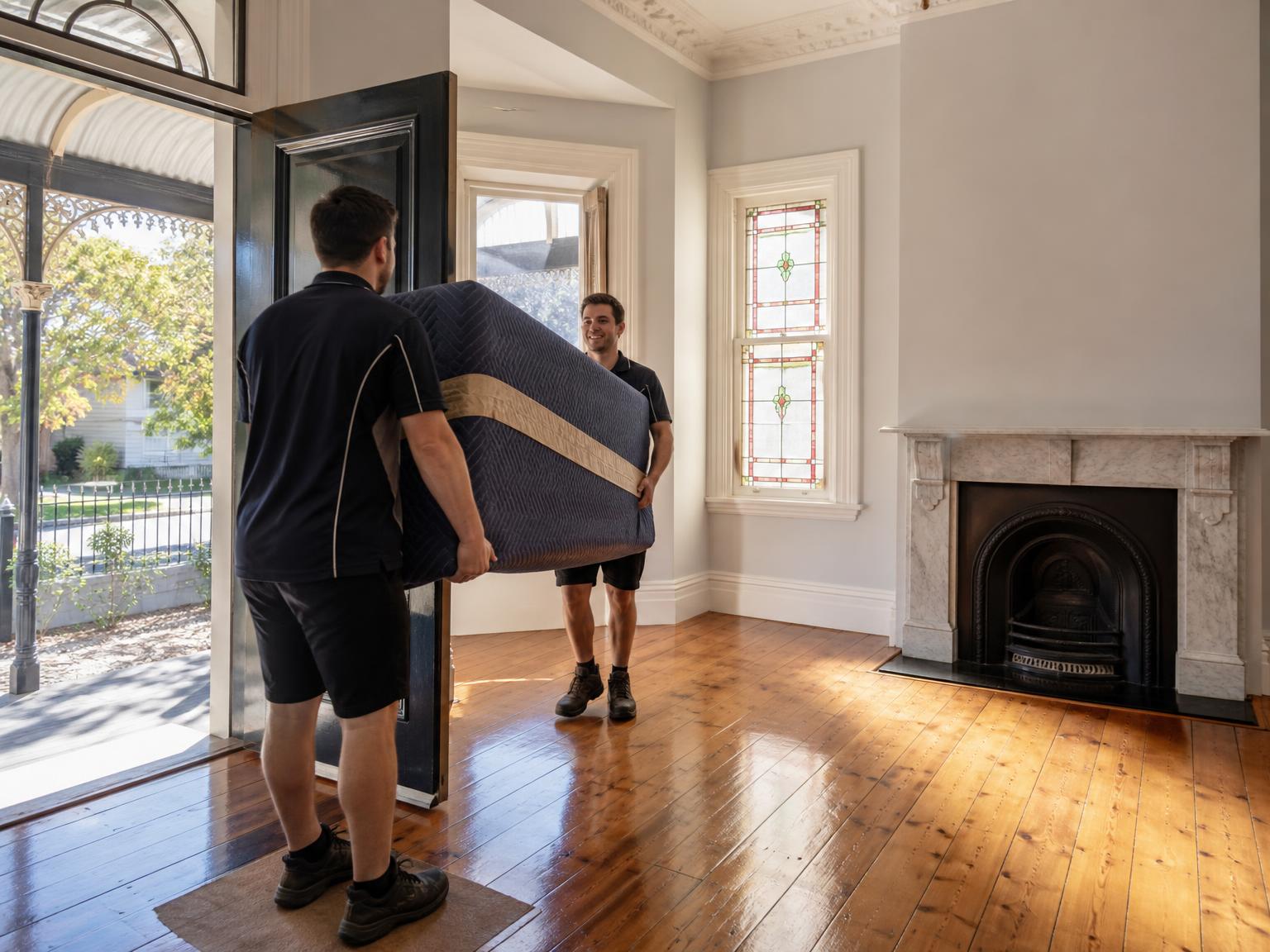
Protecting a character home during a move comes down to 3 controls: inspect and measure the route before lifting, install the right protection on every vulnerable surface, and move large pieces with enough people to keep them stable. In Adelaide homes with older timber floors, brittle plaster or narrow internal doorways, blankets alone are not sufficient; use clean runners, rigid boards at high-load points and padded barriers on corners. Removalists should also account for rain, heat and grit before the first item crosses the threshold.
Assess The House Before Moving Day
Walk the complete carrying route from the truck to each destination room, not just the front entrance. Character properties in North Adelaide and around South Terrace can have narrow passages, decorative thresholds, tight turns and rooms added or altered at different times. Measure the clear opening, including protruding handles, skirting, handrails and door stops; a nominally wide doorway can lose several centimetres to these details.
Record existing scratches, loose boards, cracked plaster and unstable tiles with dated photographs. This distinguishes pre-existing wear from moving damage and identifies places that should not carry concentrated loads. Mark fragile or restricted sections with removable painter’s tape rather than adhesive labels that may lift old paint.
Check these points during the inspection:
- Entry route: steps, veranda edges, gates and low branches
- Floor changes: raised thresholds, rugs and transitions between timber and tile
- Wall risks: narrow corners, picture rails and projecting architraves
- Furniture dimensions: width, height and depth after removable parts come off
- Truck position: legal parking and the shortest safe carrying route
Our guide to Adelaide moving-day parking helps with access planning before t
Protect Older Timber Floors Properly
Begin with a clean floor. Fine grit under a runner acts like sandpaper, so vacuum or sweep the route before laying protection. Use non-slip, breathable floor runners across straight traffic lanes, then rigid sheets over areas where a trolley will turn or a heavy item may pause. Tape protection to itself where possible; never assume adhesive is safe on aged floor coatings without testing an inconspicuous spot.
Do not drag furniture, even over blankets. Fit clean felt or soft sliders only for controlled repositioning, and lift pieces across thresholds. Trolleys need clean, non-marking wheels, while heavy cabinets should remain upright unless their construction permits another orientation. Place rigid load-spreading protection beneath concentrated loads rather than allowing small wheels or feet to press directly onto older boards.
Adelaide’s Mediterranean conditions also matter. During hot, dry summer weather, dust and grit are readily tracked inside; in cool, wet winter conditions, damp footwear and trolley wheels can leave moisture on timber. Establish a clean threshold zone with separate indoor and outdoor mats, and replace wet coverings immediately. For preparation before the crew arrives, see how to prepare furniture for Removalists.
Shield Plaster Walls And Character Details
Old plaster can crack or chip when struck, while decorative corners and timber architraves are easily marked by an item that rotates unexpectedly. Protect exposed corners with padded corner guards secured without attaching aggressive tape to paint. Where a route is especially tight, place moving blankets against the wall using a free-standing or low-risk fixing method; a loose blanket on the floor creates a trip hazard rather than protection.
Furniture should be reduced to its safest practical size before entering. Remove legs, shelves, doors or handles only where the design allows, bag the hardware, and label it for reassembly. Wrap hard edges and projecting fittings, but keep handholds available so Movers do not squeeze wrapped furniture blindly through a doorway. Furniture Removalists can plan handling for bulky household pieces, while Antique Furniture Removalists are the more relevant option for older or delicate items.
Use a 3-person control method where needed: 2 people carry while 1 person watches wall, ceiling and floor clearance. The spotter should call a stop before contact, not after it. If an item cannot clear the route with a safe margin, choose another entrance or obtain specialist advice rather than forcing it.
Manage Adelaide Access, Weather And Traffic
A sound protection plan extends beyond the rooms. In the City of Adelaide, approaches near Adelaide CBD destinations can be affected by busy pedestrian areas and constrained vehicle access, particularly around prominent destinations such as Rundle Mall, Adelaide Oval, the South Australian Museum and Botanic Garden. Confirm parking conditions and building access instead of expecting the truck to wait at the front door. A longer carry increases handling time and exposes furniture to more dust, rain and accidental contact.
Conditions can differ between a North Adelaide house, a Kent Town address and a property in Unley, so inspect both departure and arrival points. Allow at least 1 clear carrying lane from the vehicle to the entrance and keep children, pets, packing waste and garden equipment out of it. In summer, avoid leaving timber furniture or adhesive-sensitive finishes in direct sun while rooms are prepared. During winter rain, use covered staging where possible and keep wet external equipment separate from indoor trolleys.
Do not place plastic directly over a damp timber floor and leave it trapped. Dry any tracked water promptly, change saturated runners, and pause work if rain makes steps or ramps unsafe.
Use A Controlled Room-By-Room Move
On moving morning, brief everyone on the protected route, fragile surfaces and the room plan before lifting begins. Keep doors secured open with stable stops, but do not wedge them so firmly that an older door or hinge is strained. Move large, awkward items first while the route is clear, then bring cartons through in steady groups. Boxes should be closed, balanced and light enough to carry without scraping them along walls.
A practical sequence is:
- Photograph the empty route and existing condition.
- Clean floors and install runners, corner guards and rigid load spreaders.
- Test trolley wheels and confirm furniture dimensions.
- Move the largest items under spotter control.
- Inspect protection regularly for grit, moisture or movement.
- Remove coverings carefully, then photograph the finished rooms.
Best Removalists Adelaide is based at 15 Davenport Tce, Wayville SA 5034 and operates Mon–Sun, 7am–9pm. Whether the move runs between Adelaide CBD and North Adelaide or from Wayville into Unley, ask prospective Removalists how they will protect each specific surface—not merely whether they carry blankets. A useful moving plan names the materials, maps the route and assigns responsibility for checking protection throughout the job.